
Email:
contact@gsbiomats.com 
The textile industry is facing mounting pressure to reduce its environmental footprint while maintaining the performance, durability, and versatility that modern consumers expect. Synthetic fibers such as polyester, nylon, and acrylic dominate global fiber production, yet these materials are heavily dependent on fossil resources and contribute significantly to carbon emissions across the value chain.
In response, fiber manufacturers and global brands are accelerating the search for bio-based fiber materials that can serve as PET alternative fibers without compromising technical performance. Among the most promising solutions are furan derivatives, particularly FDCA (furandicarboxylic acid). These renewable building blocks are enabling the development of bio-based polyester fibers and advanced textile polymers that combine sustainability with high functionality.
By integrating these intermediates into polymer design, the textile sector is moving toward a new generation of renewable textile polymers aligned with low-carbon and circular economy goals.
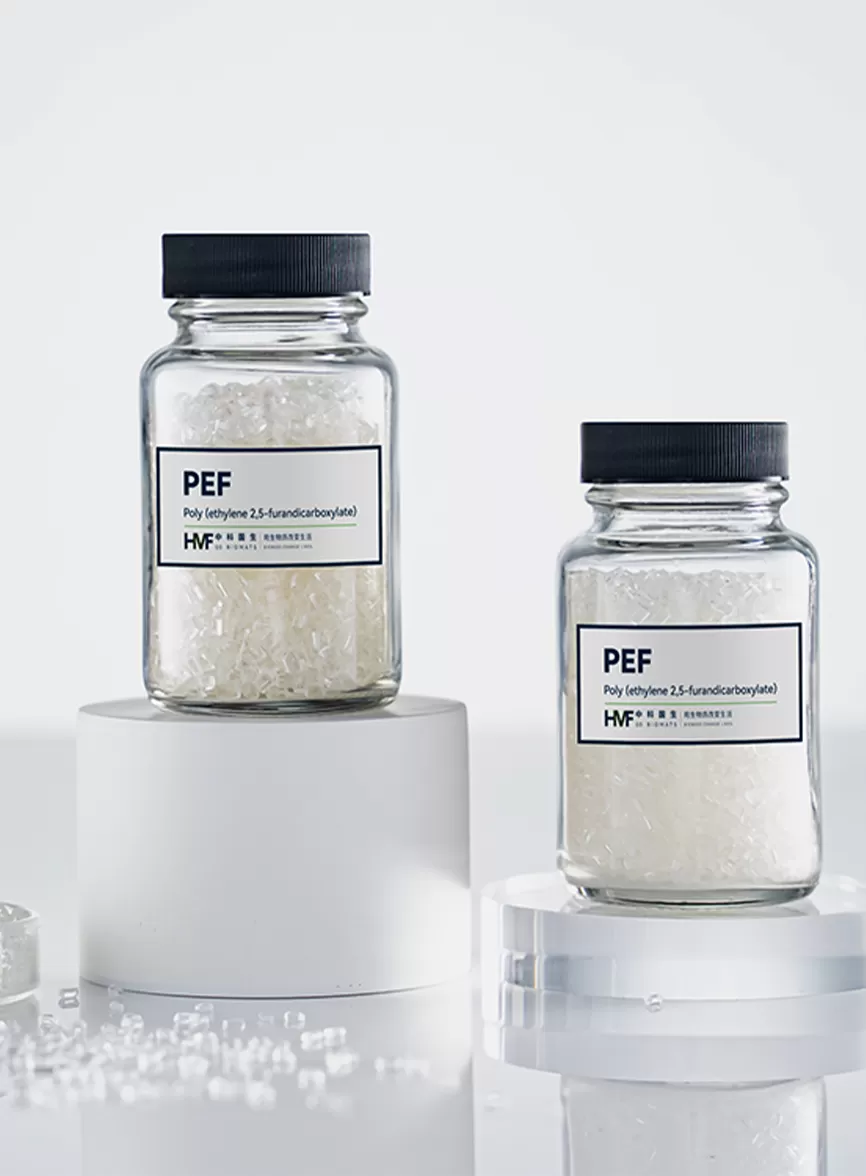
FDCA is widely recognized as a bio-based alternative to terephthalic acid (PTA), the fossil-derived monomer used in conventional PET polyester. Produced from plant-derived platform molecules, HMF, FDCA introduces renewable carbon into the polymer backbone, forming the basis for FDCA-based polyesters including PEF and other emerging materials.
When used in fiber production, furan-based polymers offer several sustainability advantages:
l Reduced dependence on fossil feedstocks
l Lower lifecycle carbon emissions
l Compatibility with circular material strategies
Beyond environmental benefits, FDCA contributes to polymers with favorable mechanical and thermal characteristics. The rigid furan ring structure enhances chain stiffness and intermolecular interactions, supporting the production of durable bio-based polyester fibers suitable for apparel, home textiles, and technical applications.
For textile manufacturers seeking sustainable alternatives to synthetic fibers, FDCA-based materials provide a pathway to maintain familiar polyester processing methods while shifting toward renewable raw materials.
One of the main barriers to adopting new materials in the textile industry is concern over performance trade-offs. PET-based polyester fibers have long been favored for their strength, dimensional stability, and cost efficiency. For bio-based alternatives to succeed, they must meet or exceed these benchmarks.
FDCA-based polyesters and THFDM-modified systems show promising performance characteristics:
7A-Level Antibacterial & Anti-Mite Performance:
The inherent properties of PEF fiber naturally inhibit bacterial growth and repel mites at an industry-leading 7A level. This guarantees long-lasting fabric hygiene and odor control without the need for toxic chemical washes.
Rapid Moisture-Wicking:
Engineered for superior breathability, the fiber structure facilitates advanced capillary action. It quickly draws sweat and moisture away from the skin, ensuring the wearer remains dry and comfortable during peak physical activity.
Exceptional Wrinkle Resistance:
The robust furan ring within PEF's molecular backbone provides high dimensional stability. This translates to fabrics that naturally resist creasing and maintain a crisp, premium drape even after repeated use and washing.
Inherent UV Protection:
PEF fiber acts as a natural shield against harmful ultraviolet radiation. This built-in UV resistance makes it an ideal, durable material for outdoor apparel, activewear, and protective gear.
Lasting Color Vibrancy:
Featuring excellent dye affinity and retention, fabrics woven with PEF fiber lock in pigments securely. This results in brilliant, fade-resistant colors that extend the garment's lifecycle and visual appeal.
Native Cooling Effect
The unique thermal conductivity of the fiber delivers a built-in, refreshing cooling sensation upon contact with the skin, maximizing comfort for summer apparel and performance wear.
Sustainability Profile
Unlike PET, which is entirely fossil-based, FDCA introduce renewable carbon, supporting low-carbon textile material strategies and helping brands reduce Scope 3 emissions.
As research and industrial-scale production continue to mature, these materials are positioned as credible PET alternative fibers that do not force brands to choose between sustainability and performance.
Global apparel and sportswear brands are now among the strongest drivers of innovation in sustainable fibers. Many have committed to ambitious targets for reducing greenhouse gas emissions, increasing bio-based content, and transitioning toward circular material systems.
To achieve these goals, brands are seeking renewable fiber materials that can integrate into existing textile supply chains. Bio-based polyesters derived from FDCA and THFDM offer an attractive solution because they align with familiar polyester processing, dyeing, and fabric manufacturing techniques.
In sportswear and performance apparel, material requirements are especially demanding. Fabrics must be lightweight, durable, moisture-resistant, and comfortable. By enabling the design of functional bio-based textile polymers, furan intermediates support the development of fibers suitable for:
l Activewear and athleisure
l Outdoor performance gear
l Technical sports textiles
In parallel, fashion brands are increasingly focused on storytelling and transparency. Using bio-based polyester fibers derived from renewable resources allows brands to communicate tangible sustainability progress to consumers, strengthening brand value while advancing environmental objectives.
The future of textiles will depend on decoupling fiber production from fossil resources while maintaining material performance and industrial scalability. Furan-based intermediates such as FDCA and THFDM provide a realistic pathway to achieve this transition.
As production technologies mature and supply chains scale, these bio-based building blocks are expected to play an expanding role in next-generation sustainable fibers, supporting a textile industry that is lower in carbon, more resource-efficient, and aligned with circular economy principles.
For fiber producers, textile manufacturers, and global brands, integrating bio-based furan chemistry into polymer design is not just a sustainability initiative — it is a strategic move toward resilient, future-ready material innovation.